
Morning Routines When Your Child Refuses to Go to School
Morning Routines When Your Child Refuses to Go to School
Meta Description:
Struggling with school mornings? Gentle, practical routines to support a child experiencing EBSA without increasing anxiety.
Mornings can be the hardest part of the day when your child is struggling to go to school.
You might be facing:
Tears before the day has even started
Panic, shutdown, or refusal
The same difficult cycle every morning
It can feel exhausting, and overwhelming.
If this is your reality, you’re not alone.
What to Say When Your Child Doesn’t Want to Go to School
When your child says they don’t want to go to school, it can be hard to know what to say.
You might worry about:
Saying the wrong thing
Making it worse
Not knowing how serious it is
The words you use can make a big difference, not by “fixing” it instantly, but by helping your child feel safe and understood.

How to Help a Child Who Refuses to Go to School
When your child refuses to go to school, it can feel exhausting and overwhelming.
You might be:
Trying everything you can think of
Facing daily battles in the morning
Feeling torn between supporting your child and worrying about attendance
If this is your reality, you’re not alone.
If your child is experiencing EBSA, they are not being difficult on purpose.
Their nervous system is overwhelmed.
In that moment, school doesn’t feel manageable, it feels unsafe.

What is EBSA? A simple guide for parents
Emotionally Based School Avoidance (EBSA) is when a child is unable to attend school due to overwhelming emotional distress.
This isn’t about “not wanting to go”
It’s about not being able to cope
Many children experiencing EBSA:
Feel intense anxiety around school
Become overwhelmed before or during the school day
Try to attend, but reach a point where it feels too much

What Attachment Styles Are (A Simple Guide)
Attachment styles shape how we connect, trust and feel safe in relationships. In this simple guide, learn the four main attachment styles and how therapy can help you move towards feeling more secure.

How to Know if Therapy Is Right for You
You don’t have to be in crisis to start therapy. If you’ve ever wondered whether your problems are “big enough” or whether therapy could help, this gentle guide will help you explore if it might be the right next step for you.
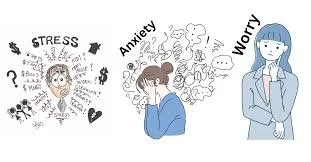
What Anxiety Really Feels Like (and Why You’re Not “Overreacting”)
Anxiety can feel overwhelming, exhausting and invisible to others. In this gentle guide, we explore what anxiety really feels like and why you’re not overreacting.

Anticipatory Grief: Grieving Before Loss
Grief doesn’t always begin after loss. Sometimes it starts long before. Anticipatory grief is the emotional experience of grieving when we know change or loss is coming. In this gentle guide, we explore what anticipatory grief is, why it can feel confusing, and how to support yourself through it.
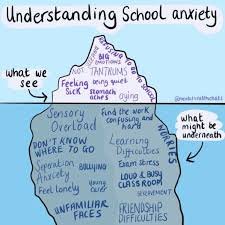
Emotionally Based School Non-Attendance (EBSNA): A Guide for Parents & Young People
When school feels overwhelming, it can be worrying for both children and parents. This gentle guide explains Emotionally Based School Avoidance (EBSA), why it happens, and how families can support young people struggling with school anxiety.